Revamp Your Outdoors Using Skilled Landscaping Services
Redesigning outdoor spaces with professional design services can substantially enhance aesthetic quality and practical benefit. Experienced landscapers examine individual properties, modifying plans to accommodate specific climates and soil conditions. They add a collection of greenery and built structures to create pleasant exterior environments. This deliberate strategy raises home worth and also minimizes care requirements. Recognizing the central elements of superior landscaping is necessary for homeowners working to enrich their exterior enjoyment. What actions should they take?
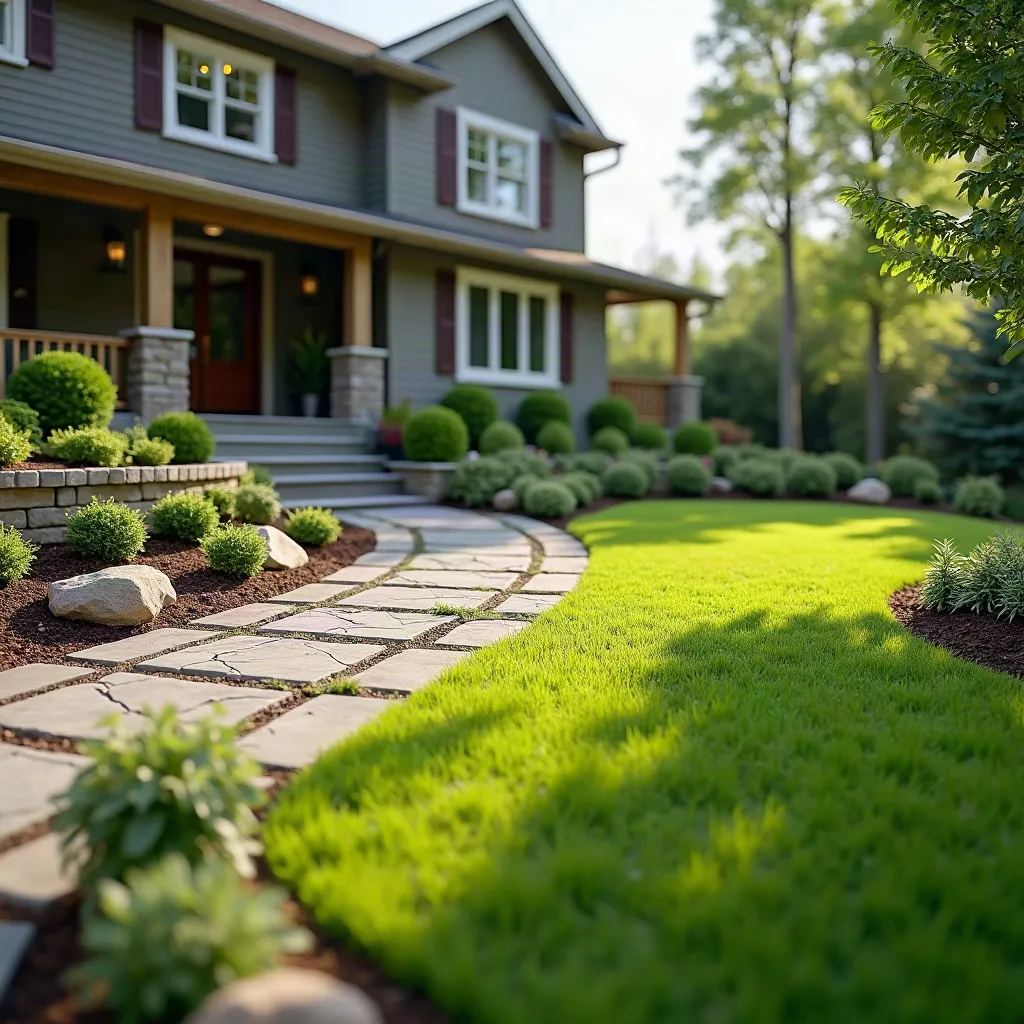
The Benefits of Skilled Landscaping Services
Professional landscaping services transform outdoor spaces into functional and aesthetically pleasing environments. These services offer a range of benefits that go beyond mere appearance. One important benefit is the enhancement of property value; well-designed landscapes can notably increase a home's market appeal. Additionally, professional landscapers have the expertise to select appropriate plants and materials tailored to specific climates and soil types, ensuring sustainability and longevity.
In addition, these solutions can better outdoor effectiveness, offering spaces for repose, social gatherings, or recreation. By intentionally structuring layouts, landscape specialists optimize the use of space while featuring elements like pathways, paved areas, and gardens.
Furthermore, employing experts can save homeowners precious moments and labor, alleviating the load of coordination and preservation. This enables individuals to relish their landscape areas without the worry of constant upkeep. Ultimately, professional landscaping services generate spaces that amplify both the beauty and usability of exterior grounds.
Primary Features for a Successful Landscape Design
A successful outdoor space design is characterized by several key features that add to both functionality and visual appeal. First, a well-thought-out arrangement maximizes space, guaranteeing ease of navigation while creating separate zones for leisure and social gatherings. Second, the incorporation of hardscaping elements, such as walkways, patios, and retaining walls, provides structure and durability to the landscape. Third, proper drainage systems are critical to prevent water accumulation and protect plant health.
Additionally, the use of focal points, like sculptures or water features, attracts the eye and strengthens aesthetic interest. Lighting plays an essential role as well, casting light on pathways and highlighting key landscape elements, thereby increasing usability into the evening hours. Finally, a diverse planting scheme, which recognizes seasonal transitions, boosts biodiversity and encourages local wildlife. Together, these qualities create a integrated and inviting exterior environment that reflects the homeowner's taste while addressing practical needs.
Steps to Determine the Ideal Plants for Your Outdoor Area
How can homeowners select the ideal plants for their yards? First, understanding the local climate is essential; plants should flourish in the specific temperature and rainfall conditions of the area. Next, evaluating sunlight exposure helps decide whether to select shade-loving or sun-loving varieties. Soil type also plays a significant role; testing soil pH and texture ensures compatibility with selected plants.
Homeowners should consider the yard's dimensions and design, choosing plants that enhance the space without overwhelming it. Additionally, selecting native plants can enhance local ecosystem diversity while demanding less maintenance.
Finally, taking into account personal tastes—such as color, texture, and seasonal interest—will help design a visually appealing landscape. A well-thought-out blend of these elements ultimately leads to a lively and balanced outdoor space that showcases the homeowner's aesthetic while being sustainable and manageable.
Maximizing Utility With Hardscaping
Hardscaping plays an important role in improving outdoor living spaces by supplying useful areas for leisure and social gathering. It also enables the development of walkways and outdoor platforms, guiding movement and adding structure to the landscape. Additionally, well-designed hardscaping can enhance water management and reduce erosion, supporting the overall health of the yard.
Improving Outdoor Living Spaces
Remodeling outside living areas greatly upgrades their functionality, creating comfortable areas for leisure and fun. Effective hardscaping elements, like retaining walls, outdoor kitchens, and fire pits, can substantially raise these spaces. By using durable materials such as stone, brick, or pavers, homeowners can realize a cohesive style that suits nature while offering functional perks. These features not only outline areas for social gatherings but also boost ease of use and organization in the outdoor environment. Additionally, strategically placed seating arrangements can nurture conversation and produce a friendly vibe. Ultimately, a expertly crafted outdoor living space maximizes enjoyment by combining comfort and utility, making it an indispensable component of modern home landscaping.
Designing Trails And Patios
An assortment of expertly designed walkways and outdoor entertaining areas can greatly improve outdoor usability and aesthetics. These landscape features serve as vital connections between different areas of a yard, providing clear navigation while establishing areas for leisure and social gatherings. Outdoor patios establish inviting zones for exterior events, outfitted to house furniture and entertaining. Pathways, constructed from materials like stone, brick, or concrete, not only direct pedestrian flow but also lend to the overall aesthetic style of the outdoor area. Introducing curves and different widths can introduce aesthetic appeal, making the yard more attractive. When expertly placed, pathways and outdoor spaces blend smoothly with the natural environment, boosting both practicality and aesthetic value in any outdoor setting.
Improving Water Flow And Erosion
Refining outdoor spaces exceeds mere aesthetics; it also requires dealing with practical concerns like drainage and erosion. Proper landscaping integrates hardscaping elements like retaining walls, gravel pathways, and permeable pavements, which help regulate water flow and decrease soil erosion. By carefully placing these features, homeowners can redirect surplus rainwater away from sensitive areas, shielding both plants and structures.
Additionally, employing French drains or swales can substantially improve drainage by channeling water to designated areas. These remedies not only protect against damage but also enhance the overall functionality and lifespan of the landscape. Ultimately, professional landscaping services deliver expertise in implementing these construction methods, reference ensuring a durable and stable outdoor environment that resists the challenges of nature.
Seasonal Care Recommendations for Your Outdoor Space
Effective seasonal work is necessary for protecting the splendor and condition of any landscape. Homeowners should complete specific tasks throughout the year to confirm their outdoor spaces flourish. In spring, the attention should be on eliminating dead matter, aerating the soil, and adding soil amendments to encourage growth. Summer maintenance encompasses regular watering, protective ground covering, and pruning to promote healthy plant development while avoiding infection.
As autumn emerges, it's critical to collect debris, condition garden beds for winter dormancy, and cultivate perennials for future development. Winter preservation may feature defending delicate plants using mulch or fabric, facilitating adequate drainage, and examining hardscapes for freeze damage. By embracing these seasonal care suggestions, residents can enhance their outdoor spaces' durability and visual allure, crafting a vibrant outdoor setting perpetually.
Important Queries to Pose When Hiring a Landscape Service?
When deciding on a landscape service, what important questions should homeowners consider to guarantee they choose wisely? First, they should ask about the firm's knowledge and experience in the particular type of landscaping sought. Learning about their design approach and prior projects can supply valuable information.
Next, homeowners should inquire regarding licensing and insurance to confirm compliance with local regulations and safeguarding from possible legal issues. A comprehensive quote is vital, so asking for a breakdown of costs will prevent unforeseen charges.
Considering the timeline for finishing the project and maintenance options is also critical, as it impacts long-term satisfaction. Additionally, homeowners should examine the types of materials and plants the company utilizes, ensuring they align with individual needs and ecological responsibility. Finally, reading reviews and asking for references can offer reassurance about the service's reliability and quality.
Popular Questions Asked Often
What Price Range Should You Budget for Expert Landscaping Services?
Landscaping services generally expense between $50 to $150 per hour, contingent on the project's intricacy and location. Homeowners must factor in supplementary costs for materials, design work, and continuous maintenance when allocating funds for landscaping services.
What duration can you plan for when undertaking a landscape design job?
A landscaping project usually requires anywhere from a few days to several weeks, depending on the scope of work, size of the area, and complexity of the design, with larger projects requiring more time for finishing.
Will Landscaping Raise My Property Value?
Landscaping can substantially boost home worth by enhancing street presence, designing attractive outdoor environments, and perfecting landscape beauty. Carefully tended landscaped areas and deliberate layout often appeal to prospective purchasers, making houses more appealing in the real estate market.
Which Licenses Are Needed for Landscaping Endeavors?
Landscaping projects often require various permits, based on local requirements. Common permits include those for removing trees, structural additions, and drainage modifications. Homeowners should consult local authorities to ensure compliance with zoning laws and environmental guidelines.
In What Fashion Do Weather Conditions Determine Landscaping Choices?
Weather patterns considerably influence landscaping choices, as rainfall, temperature, and sunlight affect plant selection, soil preparation, and maintenance techniques. Adjusting designs to local climate guarantees sustainability, growth, and overall aesthetic appeal in outdoor spaces.